Best Scuba Gear Package for Beginners
A complete beginner scuba package costs about $605.86: the Cressi Big Eyes Evolution mask at $74.95, a Cressi Supernova snorkel at $27.93, Cressi Frog Plus fins at $118.95, 5 mm boots at $44.99, a Suunto Zoop Novo dive computer at $299, an EEZYCUT Trilobite cutter at $22.95 and anti fog gel at $17.09. Keep renting the BCD, the regulator and the cylinder until you know what diving you actually do.
The right beginner package is not a discounted bundle from one brand. It is the fit items plus a computer, bought individually, with the BCD, regulator and cylinder left on the rental rack until you know what kind of diving you do. That comes to about $605.86, and the single largest and most important line in it is the Suunto Zoop Novo at $299.
A beginner scuba package is the set of equipment a newly certified diver buys for themselves rather than rents: the pieces that have to fit a specific face, specific feet and a specific person's nitrogen loading. Everything else in a scuba kit is generic hardware that a dive shop maintains better than you will for the first two years, and renting it is not a compromise.
Beginner scuba package, item by item

Cressi F1 Frameless Dive Mask
A frameless single lens that folds nearly flat, so it lives in a BCD pocket as a spare even after you upgrade. Very low internal volume, which makes clearing easy.
Best for: A first mask, and later a backup mask
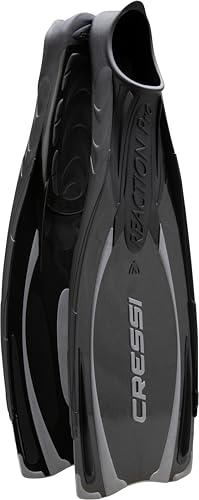
Cressi Reaction Pro Full Foot Fins
Full foot, so no boots and no straps to fail, with a computer designed blade that is easier on the calves than a stiff paddle. Warm water only.
Best for: Warm water boat diving and travel

Cressi Donatello Dive Watch Computer
A single button watch computer with air, nitrox, gauge and freedive modes and a user changeable battery. The cheapest way into a computer you own rather than rent.
Best for: A first computer where budget is the binding constraint

Cressi Big Eyes Evolution Dive Mask
Inclined lenses that sit closer to the eye, which widens the downward field of view noticeably. One of the most widely fitted masks in diving for a reason.
Best for: Most face shapes, most diving

Cressi Frog Plus Adjustable Open Heel Fins
A soft open heel paddle that works well for flutter kicking and is forgiving of untrained ankles. The default recommendation for a first pair of open heel fins.
Best for: A first pair of open heel fins with boots

Phantom Aquatics 5mm Hard Sole Dive Boots
Open heel fins need boots, and a hard sole is what lets you walk a rocky shore entry. Size them over the thickest sock you will dive, then size the fin pocket over the boot.
Best for: Anyone diving open heel fins

Suunto Zoop Novo Wrist Dive Computer
The computer a very large number of dive shops rent out, which means the interface is one your instructor can already teach. Four modes, user replaceable battery, and a display large enough to read without reading glasses.
Best for: A first computer bought straight after open water certification

Cressi Supernova Dry Snorkel
A dry top that closes when it submerges and a purge valve at the bottom so a mouthful of water clears with one breath. Folds enough to stow in a BCD pocket rather than hang off your mask all dive.
Best for: Surface swims, shore entries, and every training course that requires one

EEZYCUT Trilobite Line Cutter
A recessed double blade cutter that mounts on a wrist or a harness strap and can be operated one handed with gloves on. It cuts monofilament and net faster than any knife and cannot cut you by accident.
Best for: Almost every recreational diver, as the primary cutting tool

Atomic Venom Ultra Clear Dive Mask
Schott ultra clear glass, a gingerbread man skirt shape and a frame that spreads strap tension. The clearest glass in the category, and priced accordingly.
Best for: Underwater photographers and divers who want the best optics
Skip it if: New divers, because the optical advantage is invisible until you are shooting photographs

Apeks RK3 HD Fins
A short stiff vented paddle built for frog kicking and back kicking rather than flutter. The standard technical and cave fin, and negatively buoyant so it helps trim.
Best for: Frog kick, back kick, drysuit and technical diving
Skip it if: Warm water travel divers, because they are heavy, negative and built for frog kicking

Shearwater Research Peregrine Dive Computer
A full colour screen, a two button interface that stays readable in a surge, and Shearwater firmware that most technical divers already trust. Air, nitrox and gauge modes, with wireless charging instead of a battery hatch to flood.
Best for: The diver who wants one computer for the next ten years
Skip it if: Divers who are genuinely unsure whether they will keep diving after the first ten dives
Specifications are the manufacturer's published figures, compared against verified owner reviews. Prices and stock change constantly, so confirm on the retailer page. Cards without a single listing link to a scoped search because that model is sold through dive shops. As an Amazon Associate we earn from qualifying purchases.
What should a new diver buy first, and in what order?
Fit items first, computer second, exposure protection third, BCD and regulator last. That order is not about price. It is about which items a rental shop genuinely cannot substitute for.
A rental mask is sized to the average of everyone who walked in that week, and a mask that does not match your face will leak for the rest of your diving life no matter how hard you crank the strap. Rental fins come in whole sizes and rental boots come in whatever is dry. These are the items where owning the correct one changes every single dive, and they are the cheapest things in the kit.
The computer comes next for a different reason. Every rental unit has a different interface, a different alarm behaviour and often a different decompression algorithm, so a diver renting a computer is relearning the instrument on the boat, every trip. Owning one means learning a single interface deeply enough that the numbers are legible at a glance, and it means your repetitive dive history stays continuous across a week of diving.
The BCD and the regulator come last because both reward a decision you cannot make yet. A BCD has to be tried on with a cylinder mounted, and a regulator needs an annual service relationship with a specific shop. Both answers differ enormously between a diver who does two warm water trips a year and one who dives a cold quarry every weekend, and after ten dives you do not yet know which you are. The dive gear buying order guide works through the full sequence.
What does a beginner scuba package actually cost?
Three honest builds, priced item by item. The budget build uses a full foot fin, which is why it needs no boots and why it is warm water only. The standard build is what most new divers should buy. The buy once build is what someone who already knows they are going to dive for the next twenty years might buy instead.
| Item | Budget | Standard | Buy once |
|---|---|---|---|
| Mask | $51.95 | $74.95 | $199.95 |
| Snorkel | $27.93 | $27.93 | $27.93 |
| Fins | $95.41 | $118.95 | $219 |
| Boots | Not needed, full foot fins | $44.99 | $44.99 |
| Dive computer | $200.67 | $299 | $580 |
| Cutting tool | $22.95 | $22.95 | $22.95 |
| Anti fog gel | $17.09 | $17.09 | $17.09 |
| Total | $416.00 | $605.86 | $1,111.91 |
None of these totals includes a BCD, a regulator, a cylinder or lead, all of which you rent. Prices were checked at the time of writing and move constantly, so treat the totals as a planning figure rather than a quote. The step from budget to standard is $189.86, and the step from standard to buy once is $506.05.
Is it cheaper to buy this kit or to keep renting?
A full rental set commonly runs around $45.00 a day, though it varies widely by region and by what the shop includes. Against a $605.86 package, the arithmetic breaks even at roughly 14 dive days, and that is comparing against a full rental set rather than against the personal items alone.
The break even number is the least interesting part of the case, though. Renting a mask that does not seal costs you a dive you paid for, and renting a computer means a different interface every trip. The financial argument arrives eventually; the quality of diving argument arrives on dive eleven.
Where renting genuinely wins is on the heavy items. A BCD and a regulator together add well over a thousand dollars, add most of the weight in a travel bag, and add an annual service bill of their own. They are also the items most competently maintained by a busy dive shop. Keep renting them until the answer is obvious.
Why is the mask the first thing you buy?
Because it is the only item where the correct choice is determined entirely by the shape of your face, and because a leaking mask degrades every other part of the dive. A diver clearing a mask every three minutes is not looking at the reef, is not watching their gauges and is breathing faster than they need to.
The test takes ten seconds and does not involve the strap. Hold the mask against a dry face, keep the strap out of the way, and inhale gently through the nose. A mask that fits will hold itself in place for several seconds. The Cressi Big Eyes Evolution at $74.95 fits more faces than anything else at that price, which is why it is in the standard build, and the Cressi F1 at $51.95 folds flat enough to keep forever as the spare in a pocket. The dive mask roundup covers what to do when nothing seals.
Whichever you buy, scrub the factory release film off the inside of the glass before the first dive, then use anti fog gel at $17.09 on a dry lens every time. A new mask that fogs is almost always a mask that was never scrubbed.
Which fins belong in a first kit?
Open heel fins with boots, unless every dive you will ever do starts from a boat in warm water. The Cressi Frog Plus at $118.95 with 5 mm hard sole boots at $44.99 covers shore entries, cold water and a much wider range of destinations than a full foot fin does.
The budget build swaps in the Cressi Reaction Pro at $95.41, a full foot fin that needs no boots at all. That saves $44.99 and limits you to warm water and to entries where nobody has to walk over rock. It is a real trade rather than a downgrade, and for a diver whose only diving is a warm boat trip it is arguably the better answer.
Blade stiffness should match your legs, not your ambitions. A soft blade you can kick relaxed for a full fifty minute dive will outperform a stiff paddle you fight for ten minutes, because effort drives breathing rate and breathing rate ends the dive. The scuba fins roundup goes through kick styles and stiffness in detail.
Should a newly certified diver own a dive computer?
Yes, and it should be the largest line in the package. A dive computer continuously measures depth and time, runs a decompression model against that profile, and displays your remaining no stop time, your ascent rate and your surface interval. Every one of those is information a table cannot give you in real time on a multi level dive.
The Suunto Zoop Novo at $299 is in the standard build for one specific reason: a very large number of dive shops rent it, which means the interface is one your instructor can already teach and one you will recognise on a boat anywhere in the world. It has four modes, a user replaceable battery and a display large enough to read without reading glasses.
The Cressi Donatello at $200.67 is the budget answer, a single button watch computer with air, nitrox, gauge and freedive modes. The Shearwater Peregrine at $580 is the buy once answer, with a full colour screen and firmware that most technical divers already trust. The beginner dive computer roundup compares all three properly.
Buying any of them does not make you a safer diver. A computer is an instrument that displays a model, and it will happily show you a profile a trained diver would refuse. The course makes you safer. The computer makes the course's arithmetic legible.
What can a new diver safely skip?
Plenty, and skipping it is how the package stays at the price above rather than doubling.
Skip the dive knife on a leg strap. A cutting tool matters, a large blade does not, and a Trilobite at $22.95 on the wrist reaches an entanglement faster than anything strapped to a calf.
Skip the underwater camera for now. A new diver holding a camera is a new diver who is not watching their gauges, their buoyancy or their buddy, and the photographs from the first fifty dives are not worth what they cost in attention.
Skip the gear bag upgrade. A mesh backpack is enough for years of local diving, and a wheeled travel bag is a purchase to make when a flight is actually booked.
Skip the nitrox analyser until you certify for nitrox and start filling away from a home shop. Shops keep an analyser at the fill station, and you analyse and sign for the fill there.
What not to skip is the pieces that keep you findable and functional: a surface marker buoy with a spool, a defog, a spare mask strap and a way to cut line. None of them is expensive, all of them end dives when missing, and none of them is included in a rental package.
Who should not buy the expert tier?
Skip the Atomic Venom at $199.95 unless you already know you are going to shoot underwater photographs. Its ultra clear glass is a genuine optical advantage and it is invisible on a bright reef dive to someone still learning to hold their trim.
Skip the Apeks RK3 HD at $219 as a first fin. They are short, stiff, heavy and deliberately negative, built around a frog kick that a new diver has not learned yet and around a trim problem a new diver does not have yet.
Skip the Shearwater Peregrine at $580 if you are honestly unsure whether you will still be diving after ten more dives. It is the right computer for someone who knows the answer, and $506.05 is a large amount of money to spend on a maybe. Nobody has ever regretted starting with the Zoop Novo and upgrading later, and the Zoop keeps its value as a backup or a partner's unit.
Spend the difference instead on diving. Ten more dives will teach you more about what gear you need than any roundup will, including this one. Start with the beginner diving guide and price the complete rig in the beginner scuba setup.
Buying tips
- Buy the mask in person if you possibly can. It is the one item where a local shop earns its price premium.
- Buy boots before fins. The boot changes the fin size, sometimes by a full step.
- Own the computer you trained on where possible. Familiarity with one interface is worth more than features you cannot find on a boat.
- Carry a cutting tool from dive one. Monofilament is everywhere, and an EEZYCUT Trilobite at $22.95 cannot cut you by accident.
- Do not buy a package deal to save money on a BCD. Bundles are how people end up owning a BCD that does not fit them.
- Log the dives. Operators ask, courses require it, and it is the only record of what gear actually worked for you.
Frequently asked questions
What gear should a new diver buy first?
Buy mask, snorkel, fins and boots first, because those are fit items that a rental shop cannot match to your face and feet. Buy a dive computer second, because it is the one safety item you should learn on a single consistent interface rather than a different rental unit each trip. Rent the BCD, the regulator and the cylinder until you know what kind of diving you actually do.
How much does a beginner scuba package cost?
A sensible complete personal kit runs roughly 600 dollars: a mask around 75, a snorkel around 28, open heel fins around 119, boots around 45, a first dive computer around 299, a line cutter around 23 and a bottle of anti fog around 17. A budget build lands nearer 400 dollars by using a full foot fin and the cheapest watch style computer. Neither figure includes a BCD, a regulator or a cylinder.
Should I buy a BCD and regulator as a beginner?
Usually not yet. A BCD needs to be tried on with a cylinder mounted, and a regulator needs an annual service relationship with a shop, so both reward waiting until you know whether you dive warm water twice a year or cold water every weekend. Rental BCDs and regulators are maintained and perfectly adequate. Personal fit items and a computer are where early money actually improves your diving.
Is it cheaper to buy gear or keep renting?
A full rental set runs roughly 45 dollars a day at many shops, so a 600 dollar personal package pays for itself in the low teens of dive days. That calculation ignores the real reason to buy, which is that your own mask seals, your own fins fit, and your own computer keeps a continuous record of your nitrogen loading across repetitive dives rather than starting fresh each rental.
Do I need a snorkel for scuba diving?
You need one for training, because almost every entry level course requires it, and it is genuinely useful for long surface swims on shore dives where snorkelling out on your face beats swimming on your back. Many experienced divers stow it in a pocket rather than mounting it on the mask strap, where it catches current and can pull the mask seal. It costs under 30 dollars either way.
Does buying a dive computer make me a safer diver?
No. A computer tracks a model of inert gas loading and shows you numbers, and it will happily display a profile that a trained diver would refuse. Safety comes from the course, from the buddy check, from the ascent rate you hold and from the gas reserve you plan. Own a computer so that you learn one interface deeply, and treat it as an instrument you interpret rather than an authority that decides.
How we choose: we compare published manufacturer specifications, published training agency standards, and verified owner reviews across retailers. We do not test gear in person, and every depth rating, cylinder capacity and algorithm name quoted here is the manufacturer's published figure unless we say otherwise, so confirm it on the current spec sheet before you buy. Nothing here is dive instruction, and no calculator output on this site is a dive plan. Scuba diving carries a real risk of decompression sickness, oxygen toxicity, barotrauma and drowning. Dive within the limits of your certification, verify every plan with your own computer, and buy the training before the gear that assumes it.
Logging your own SAC rate and gas plans? The Dive Kit & Air Planning Workbook is the paid version of these pages: 8 printable worksheets you fill in with your own numbers, plus the full PDF, $29.